
Banfield Pet Hospital
Banfield Pet Hospital an Affiliate of Mars, Inc.Medical
4.64.25K Reviews
- Version
- 5.5.3
- Installs
- 500.00K
- Age Rating
- Everyone
Screenshots
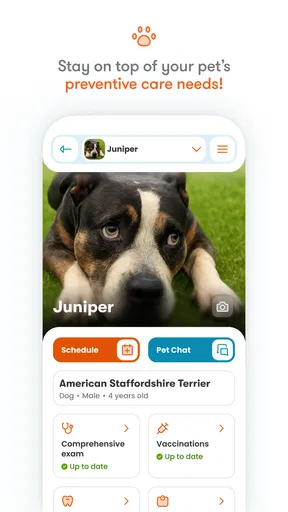
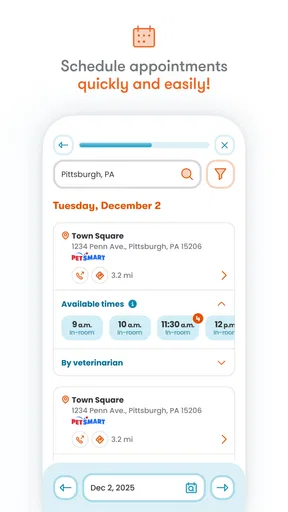
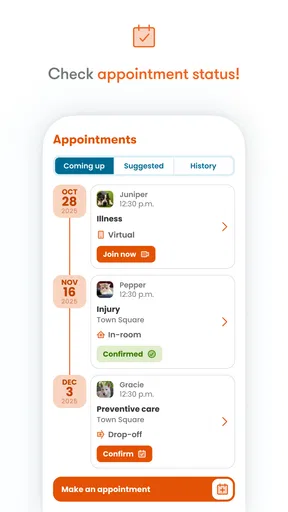
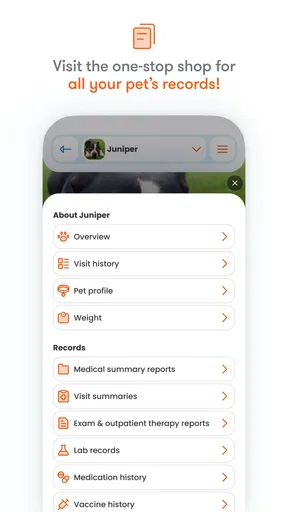
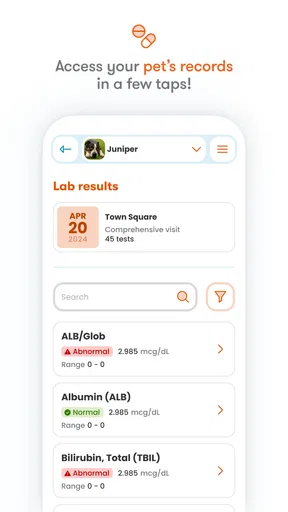
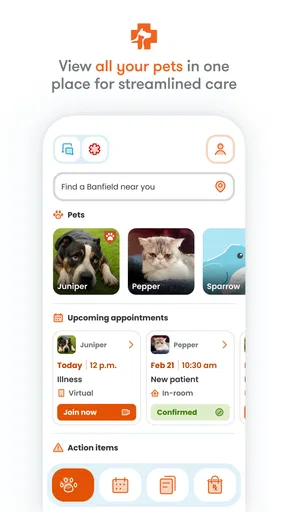
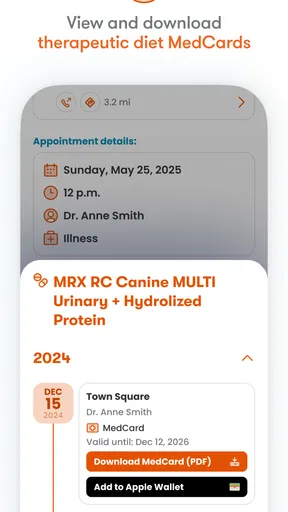
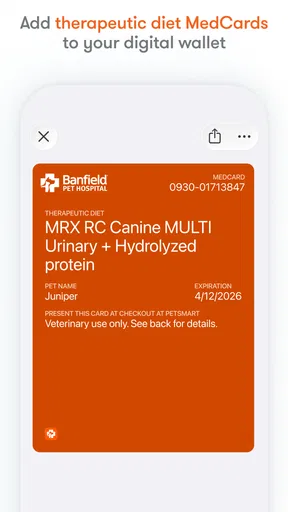
Our Review of Banfield Pet Hospital
 Analysis by Appyee
Managing a pet’s veterinary care can become surprisingly difficult once appointments, medication instructions, vaccination records, and everyday questions start arriving at different times. I found Banfield Pet Hospital most useful as a central place for people already using Banfield services, rather than as a general-purpose pet health encyclopedia. It is a free medical app from Banfield Pet Hospital, an Affiliate of Mars, Inc., and its purpose is practical: helping you review and manage your pet’s veterinary care from a mobile device.
That focus matters. This is not an app I would open expecting a substitute for a veterinarian, an emergency service, or a complete diagnostic tool. I see it more as a companion to an existing veterinary relationship. When it works for your situation, it reduces the need to search through old messages, paper documents, or your camera roll for details about your pet’s care. When it does not, the limitation is usually not that the app is poorly designed, but that your needs extend beyond Banfield’s own care workflow.
How I use Banfield Pet Hospital as a daily care hub
My baseline workflow begins with the simple tasks I am most likely to forget. I use the app to look back over veterinary information, check care-related details, and keep the next step in view instead of relying on memory. That is especially helpful when caring for more than one pet, because small differences between animals can easily lead to confusion. A mobile record is easier to consult while standing in a kitchen, preparing for a visit, or speaking with a veterinary team.
The app belongs to the medical category, but I would describe its role in everyday language as an administrative and care-management tool. It is not designed to make a diagnosis from symptoms. If a dog suddenly seems unwell or a cat has an urgent problem, I would contact a veterinary professional directly rather than spend time trying to solve the situation inside the app. The value here is organization and access to care information, not clinical judgment.
A realistic example is preparing for a routine appointment. Before leaving home, I can review the information connected with my pet’s care, note questions I want to ask, and avoid turning the visit into a memory test. If a veterinarian previously gave me instructions, having the relevant care history available can make it easier to explain what happened and ask a more precise follow-up question. That small improvement in preparation is one of the strongest reasons to keep using an app like this.
I also like the idea of treating the app as a repeatable habit rather than something opened only during a crisis. A quick check after an appointment, a review before a planned visit, and a glance when arranging care for a pet sitter create a more dependable routine. The important point is consistency: the app is most useful when it becomes part of how I manage veterinary information, not when I expect it to rescue me from every forgotten detail.
The audience is fairly clear. Existing Banfield clients who want a mobile connection to their pet’s veterinary care are the best fit. People who prefer keeping everything in one place may appreciate that approach, particularly if they already use their phone for appointments and personal records. The app is also suitable for general audiences in terms of its Everyone content rating, although the subject matter is naturally aimed at pet owners and caregivers.
On the other hand, I would skip it if I wanted a universal record that combines several unrelated veterinary hospitals in one account. I would also look elsewhere if my main goal were symptom tracking, nutrition planning, training, insurance management, or emergency triage. Those are different jobs. Adding them mentally to this app creates expectations it is not meant to meet.
Settings and setup choices worth checking first
Experienced use starts with a calm setup, not with tapping through every screen as quickly as possible. I would begin by making sure the account information and pet details are accurate. A wrong spelling, outdated contact detail, or incomplete pet profile can create friction later, especially when I am trying to find information quickly before an appointment. This is a boring step, but it has more practical value than searching for clever shortcuts.
I would also review how the app presents appointment-related information and care records, then decide which parts deserve regular attention. The best setup is not necessarily the one with the most alerts. Too many reminders can become background noise, while too few can leave important tasks easy to overlook. My preference is to keep notifications that support a clear action and ignore anything that merely encourages me to open the app without a reason.
Another useful habit is checking the app after a veterinary visit while the conversation is still fresh. I can compare what I remember with what is recorded and make a note of questions that remain unclear. This is not about challenging every detail; it is about catching misunderstandings early. If I wait several weeks, I may no longer remember whether a recommendation applied to one pet, a particular condition, or a limited period.
For households with shared pet care, I would decide in advance who is responsible for checking the app and who communicates with the veterinary team. The application can help organize information, but it cannot prevent two people from making different assumptions. A simple household routine—one person reviews upcoming care and another confirms practical arrangements—can be more effective than repeatedly opening the same screens.
Privacy is another reason to be deliberate. Veterinary information is not the same as casual shopping data, and a phone may be shared with family members or handed to a pet sitter. I would avoid leaving the app open where someone else can casually browse it, and I would think carefully before sharing screenshots that contain personal account details. These are ordinary phone habits, but they matter more when an app connects personal identity with medical care.
Banfield Pet Hospital has been available since February 3, 2014, and the current version is 5.5.3. That long presence makes it feel less like a temporary experiment and more like an established companion for the provider’s customers. At the same time, I would still keep the app updated through the normal app-store process. Updates can affect navigation and behavior, so after a major change I would quickly revisit the areas I use most instead of assuming every control remains exactly where I remember it.
Faster patterns that make repeat use easier
The most effective shortcut is not a hidden button; it is reducing the number of decisions I make each time. I keep a short mental checklist: identify the pet, check the relevant care information, confirm the next action, and close the app. That sequence prevents me from wandering through unrelated sections. It is particularly helpful when I am in a hurry and only need one detail.
I also prepare before opening the app. If I need to discuss a symptom, I first write down when it began, whether it changed, and what I have already observed. Then I use the app for the veterinary context rather than trying to compose the entire story while navigating. This division of labor is more efficient: my notes capture the current situation, while the app helps me refer to the established care relationship.
Before an appointment, I would gather questions in one place on my phone and review the care information immediately beforehand. That creates a useful two-part workflow. The app supplies the background; my question list supplies the purpose of the visit. Without the second part, it is easy to browse records and still leave with the same uncertainty I had when I arrived.
For travel or pet sitting, I would prepare the information the other caregiver genuinely needs rather than handing over unrestricted access to everything. A concise written summary can include the pet’s name, the clinic contact route, upcoming care, and instructions already given by the veterinary team. The app remains my reference point, while the other person receives only the practical information required for the handoff. This is safer and less confusing than expecting a sitter to explore an unfamiliar account.
Another advanced habit is separating “reference” from “action.” A record can tell me what happened previously, but it does not automatically tell me what I should do now. I use historical information to ask better questions, not to self-prescribe treatment. That distinction is easy to lose when an app makes medical information convenient to access, and it is one of the most important boundaries in using this product responsibly.
The app’s popularity suggests that this workflow resonates with many pet owners: it has an average rating of 4.6 from around 23 thousand ratings, with more than 500 thousand installs. I take those figures as a sign that the basic concept is useful to a substantial audience, not as proof that every household will have the same experience. A person who does not use Banfield services may find the app less relevant regardless of how polished the interface feels.
Where the app helps, and where its boundaries become clear
The central limitation is specialization. Banfield Pet Hospital is most valuable inside the Banfield ecosystem. If I visit several clinics, use an independent veterinarian, or want one complete timeline across providers, I may need another method alongside it. A general pet-record app, a carefully maintained document, or the individual clinics’ systems may offer a broader overview. The trade-off is that a broad tool may not connect as directly with the care relationship I already have through Banfield.
I would not rely on it as an emergency decision-maker. A medical app can help me remember care details, but it should not delay urgent professional advice. If the situation is serious, I need the appropriate veterinary contact immediately. The app’s best contribution in that moment may be helping me locate or communicate relevant background, not telling me whether the situation is safe to monitor at home.
There is also a difference between having information available and understanding it. Veterinary language can be precise, and a record may be perfectly accurate while still raising questions for a nonprofessional. I appreciate the app more when I use it to prepare a conversation with the veterinary team. I appreciate it less when I expect a stored entry to explain every implication without context.
Another possible source of friction is the emotional setting. People often open a pet-care app when they are worried, tired, or trying to coordinate several tasks. A workflow that feels straightforward during a quiet afternoon can feel slower under pressure. My solution is to learn the basic route in advance and keep essential contact information accessible elsewhere as well. That is not redundant; it is sensible planning for situations in which the phone, connection, account, or app does not behave as expected.
Compared with paper records, the app is more convenient for mobile reference and less vulnerable to being misplaced in a drawer. Compared with a generic notes app, it is more closely tied to veterinary care but less flexible for unrelated observations. Compared with calling the hospital every time I need context, it can save effort for routine review, while a direct conversation remains better for interpretation, urgency, and personalized advice. In my view, the strongest setup combines these options instead of treating one as a complete replacement for the others.
The technical entry point is relatively accessible: it is free, intended for Everyone, and supports devices using Android 7.0 or later. Those details make it approachable for many phone owners, but they do not remove the need for a compatible Banfield relationship or a stable personal workflow. A free installation is only useful if the app’s connection to the provider matches the way I actually receive veterinary care.
Who should make it part of their routine?
I would recommend Banfield Pet Hospital to a Banfield client who wants less scattered pet-care administration. It is a good fit for someone who checks information before appointments, wants a mobile reference while coordinating care, and is willing to build a small repeatable habit around it. It can also help a busy household reduce the number of details that live only in one person’s memory.
I would be more cautious recommending it to someone looking for an all-in-one pet lifestyle app. If the priority is training plans, food logging, activity tracking, insurance claims, or records from multiple veterinary providers, another app may be a better primary tool. This one earns its place through its connection to Banfield veterinary care, not through trying to cover every part of pet ownership.
My final judgment is positive but deliberately practical. I see this as a focused medical companion rather than a pet super-app. Its strongest feature is the way it can turn veterinary information into something easier to consult during ordinary routines. Its main weakness is the same focus: outside the Banfield care context, its usefulness drops, and it cannot replace professional advice when interpretation or urgency matters.
After using it as part of a repeatable workflow, I would keep it installed if my pet’s care is managed through Banfield. I would check the setup, avoid notification overload, prepare questions before opening it, and use stored information as a bridge to better conversations with the veterinary team. The best way to get value from Banfield Pet Hospital is to treat it as an organized front door to ongoing care, not as a diagnosis engine.
That distinction makes the app easier to judge honestly. It does not need to do everything to be useful. For the right owner, it offers a convenient way to review and manage veterinary care without turning every small task into a phone call or a search through old paperwork. For everyone else, especially people seeking broad pet tracking or emergency guidance, a different tool—or a combination of tools—will likely serve them better.
Verdict
Strengths of Banfield Pet Hospital
- Easy access to pet health records, prescriptions, and appointment details.
- Convenient appointment requests for Banfield hospital locations.
- Useful reminders help owners stay on top of preventive pet care.
- Supports managing information for multiple pets in one account.
- Can simplify communication with the veterinary care team.
Limitations of Banfield Pet Hospital
- Availability and features may vary by Banfield location.
- Some appointment requests may require additional confirmation by phone.
- The app is mainly useful for Banfield clients, not independent clinics.
- Loading times or sign-in issues may affect access to records.
- Certain services and pricing details may not be fully visible in the app.
Similar Picks in This Category
View All
WebMD: Symptom Checker
WebMD, LLC4.1

Microphone Amplifier
DOSA Apps4.2

Anatomy Learning - 3D Anatomy
3D Medical OU4.5

Period Tracker and Calendar
SimpleInnovation4.9

GoodRx: Prescription Coupons
GoodRx4.8

CVS Health
CVS Pharmacy4.5
Frequently Asked Questions
What is the Banfield Pet Hospital app used for?
The Banfield Pet Hospital app is designed to help pet owners manage veterinary care from a mobile device. Depending on your location and account, you may be able to view pet health information, request or manage appointments, review reminders, access medical records, and find Banfield hospital details. It is mainly useful for organizing routine care, although available features can vary by region and account type.
Can I book or change a veterinary appointment through the app?
In many cases, the app allows Banfield clients to request, schedule, or manage appointments for their pets. You may need to select a specific hospital, choose a pet, and provide a reason for the visit before available times are displayed. Appointment availability depends on the selected location, veterinarian schedules, and local services. Always check the confirmation details and contact the hospital if changes are urgent.
Can I access my pet’s medical records and vaccination information?
The app may provide access to important pet-care information connected to your Banfield account, such as visit history, preventive-care details, reminders, and vaccination records. The information shown depends on what has been entered by the hospital and whether your account is correctly linked to your pet. If a record appears incomplete or incorrect, contact the Banfield location that provided the care.
Does the Banfield app provide emergency veterinary care or diagnosis?
The app should not be treated as a replacement for emergency veterinary services, professional diagnosis, or an in-person examination. It may help you contact a hospital, manage routine care, or review available information, but it cannot reliably assess serious symptoms remotely. If your pet has difficulty breathing, severe bleeding, poisoning, collapse, or another life-threatening problem, contact an emergency veterinarian immediately.
Is the Banfield Pet Hospital app free to download, and what do I need to use it?
The app is generally available to download without an upfront charge, but veterinary visits, treatments, medications, and wellness plans may involve separate costs. To use account-based features, you will typically need to create or sign in to a Banfield account and provide accurate owner and pet information. Availability, supported devices, and specific services may vary, so review the current store listing and Banfield terms before downloading.
